
Our Blog

Adjusting Your Diet after a Braces Adjustment

December 11th, 2019
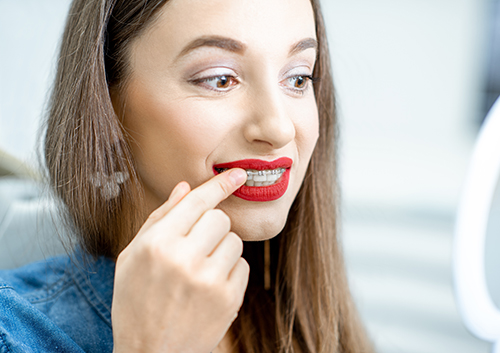
We all welcome the idea of braces adjustments at our Tampa office—an adjustment, after all, means you have taken another step on the way to your ideal smile! But sometimes the reality of an adjustment can be a little less welcome—you might have a few days of discomfort as you get used to new or different pressure on your teeth. Luckily, there are some menu options that will help you get through these days in a comfortable and tasty way.

Keep Your Cool

If you are feeling a bit sore after your braces have been tightened, a cool treat might be just the thing. Ice cream is the classic choice, but if you are looking for some healthier options, consider yogurt. It generally has less sugar, while still providing soothing, creamy sweetness. A fruit or vegetable smoothie is always a good (and nutritious) choice. Pudding and gelatin cups? Chilly, delicious, and easy to eat.

Comfort Food

Some of our favorite comfort foods mean literal comfort for newly adjusted braces. Creamy soups, soft pastas and noodles, mashed potatoes, and macaroni and cheese are warm, silky options that don’t require a lot of chewing. Just don’t go too hot or too spicy—that might irritate sensitive gum and mouth tissue.

Breakfast All Day Long

Most of our favorite braces-friendly breakfast foods are delicious any time of day. Eggs scrambled, fried, or in an omelet are easy on your braces and packed with protein. Are you an oatmeal fan? Try some oatmeal with mashed fruit for a more flavorful bowl. And you can’t beat the taste and texture of pillowy pancakes.

The discomfort that follows an adjustment is temporary, but treat your teeth—and yourself—gently over the next day or two. Take over-the-counter medication if needed for pain, brush carefully, and eat a comforting, comfortable diet. Soon you will be back to your normal, braces-friendly menu, and one step further on your way to a beautiful smile!

Tips to Avoid Common Problems Associated with Braces

December 4th, 2019

While braces play an important part in helping to create a healthy mouth and teeth, you might experience a few side effects while wearing them that are common and can be easily treated.

Even with the best of care, braces can cause soreness to your mouth. As your teeth begin to move, it is natural for your teeth to feel aches and your jaw to develop soreness.

If there are broken wires or loose bands on your braces, a sore tongue, mouth, or canker sore will occur. Canker sores are a common occurrence when braces rub inside the mouth. There are ointments available to reduce the pain and irritation associated with mouth sores. We urge those who experience a sore mouth or any of the following problems to call our office to schedule an appointment.

  • Loose brackets: Apply a small amount of orthodontic wax to the bracket temporarily. You might also apply a little between the braces and the soft tissue of your mouth.
  • Loose bands: These must be secured in place by your orthodontist. Try to save the band for repair.
  • Protruding or broken wires: The eraser end of a pencil can be used to move the wire carefully to a less painful spot. If you are unable to move it, apply orthodontic wax to the tip. If a mouth sore develops, rinse with warm salt water or antiseptic rinse.
  • Loose spacers: These will need to be repositioned and sometimes replaced.

Foods to Avoid

Some foods can also help or hurt you while you’re wearing braces. Remember to cut your food into small pieces that can be easily chewed. You will want to avoid hard and chewy foods that can break your hardware. Foods such as corn on the cob, nuts, carrots, apples, ice, and bubble gum should be avoided.

Braces, rubber bands, springs, and other mouth appliances associated with braces will normally attract food particles and plaque. Without the proper care, this could cause staining of your teeth.

Our staff at GSD Orthodontics recommends brushing after every meal or snack and carefully removing any food that might be lodged in the braces. A fluoride mouthwash might be helpful as well as flossing. At your next appointment, Dr. Gregory Dyer can advise you how to floss with a brush specially designed for braces!

Thanksgiving in North America

November 27th, 2019

Thanksgiving marks the start to the holidays; a season filled with feasting, indulging, and spending time with family and friends are always special. Thanksgiving is a holiday meant for giving thanks, and while this may seem like such a natural celebration, the United States is only one of a handful of countries to officially celebrate with a holiday.

Unlike many holidays, Thanksgiving is a secular holiday, and it is celebrated on the fourth Thursday in November in the United States. In Canada, it is celebrated on the second Monday of October, which is, oddly enough, much closer to a time when harvests were likely gathered. In addition to the different dates, the origins of the celebration also share different roots.

Thanksgiving in the United States

Giving thanks for a bountiful harvest are not new, but the modern day holiday in the US can be traced to a celebration at Plymouth in Massachusetts in 1621. This feast of thanksgiving was inspired by a good harvest, and the tradition was simply continued on. At first, the colony at Plymouth didn't have enough food to feed everyone present, but the Native Americans helped by providing seeds and teaching them how to fish, and they soon began to be able to hold a feast worthy of the name. The tradition spread, and by the 1660s, most of New England was hosting a Thanksgiving feast in honor of the harvest.

Canadian Thanksgiving

An explorer of early Canada named Martin Frobisher is accredited for the first Canadian Thanksgiving. He survived the arduous journey from England through harsh weather conditions and rough terrain, and after his last voyage from Europe to present-day Nunavut, he held a formal ceremony to give thanks for his survival and good fortune. As time passed and more settlers arrived, a feast was added to what quickly became a yearly tradition. Another explorer, Samuel de Champlain, is linked to the first actual Thanksgiving celebration in honor of a successful harvest; settlers who arrived with him in New France celebrated the harvest with a bountiful feast.

A Modern Thanksgiving

Today, Thanksgiving is traditionally celebrated with the best of Americana. From feasts and football games to getting ready for the start of the Christmas shopping season, Thanksgiving means roasted turkey, pumpkin pie, and green bean casserole. No matter how you celebrate this momentous day, pause for a moment to give thanks for your friends, family, and all the bounties you’ve received. Happy Thanksgiving from GSD Orthodontics!

Why is orthodontic treatment important?

November 20th, 2019

The goal of orthodontic treatment at GSD Orthodontics, which may include the use of braces, retainers, and aligners, is to straighten your teeth. Treatment often starts in the pre-teen or teenage years, but adults may also need orthodontic treatment. The treatment can feel like a chore that lasts for several months or a couple of years, but it can fix important problems. These include:

  • Crowded teeth spaced too close together
  • Gaps between your teeth
  • Crooked teeth
  • Overbite or underbite
  • Upper and lower teeth that do not meet

Straight Teeth are More Attractive

You are more likely to be proud of your smile when your teeth are straight and evenly spaced. Pride in your appearance can give you more confidence and encourage you to try new things. This can be particularly important for adolescents. In addition, people often judge others based on first impressions. A smile that shows straight teeth is more attractive.

Better Oral Health is Easier

Brushing and flossing your teeth are two basic components of an oral health routine to protect your teeth from conditions such as tooth decay, gingivitis, and plaque build-up. As Dr. Gregory Dyer and our staff know, caring for your mouth is easier when your teeth are straight. The American Dental Association says the following conditions are less likely to occur if you have the proper orthodontic treatment.

  • Dental caries
  • Gum disease or gingivitis
  • Tooth loss
  • Impaired speech
  • Worn tooth enamel

Orthodontic Treatment Improves Nutrition

Poorly aligned teeth can reduce your ability to chew properly or make certain foods more difficult to eat. Many of these more challenging foods are healthy, and avoiding them can cause you to limit your diet to softer, often less-nutritious foods, such as ice cream and canned soup. Straighter teeth and a better ability to chew let you eat crunchy foods, such as apples and carrots; stringy foods, such as asparagus and chicken; and chewy foods, such as raisins.

acceledent aura propel orthodontics itero digital impression system invisalign ada aao fao
Contact Us!
call email